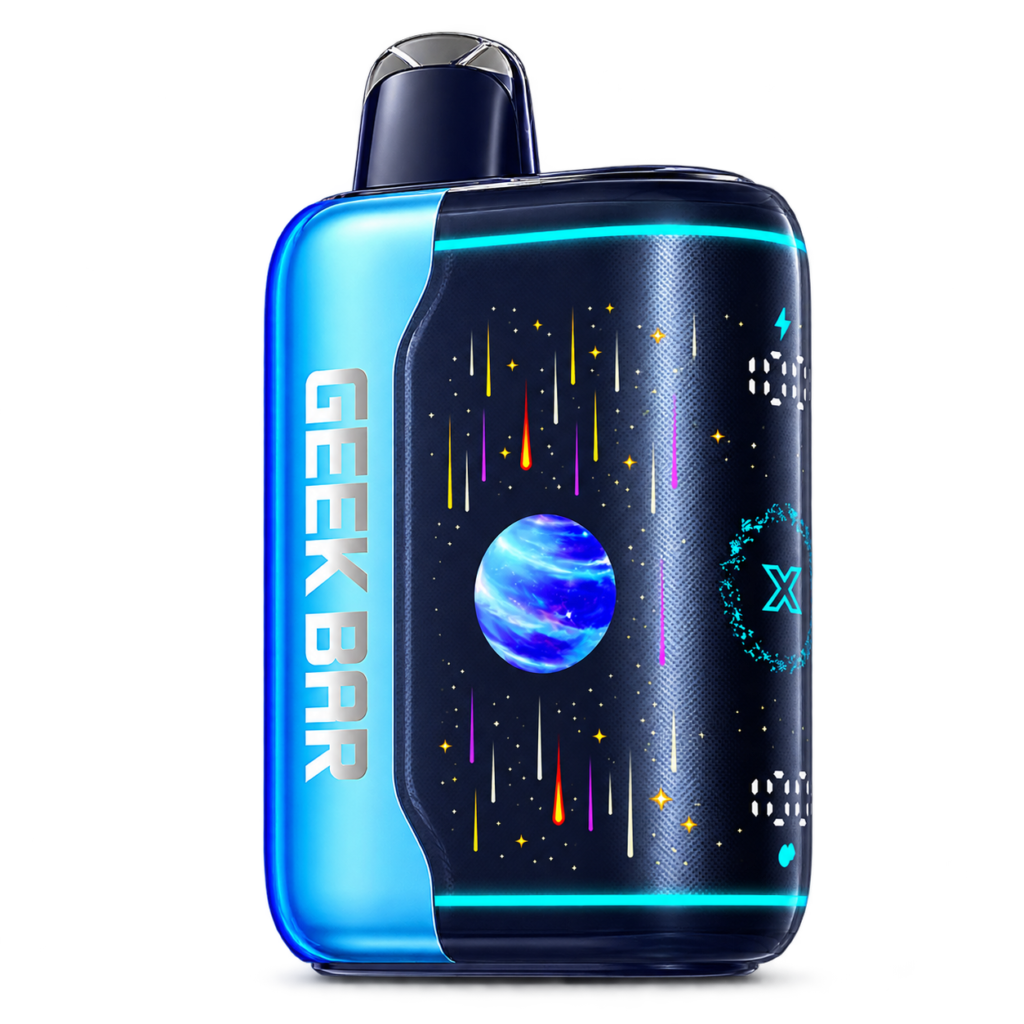
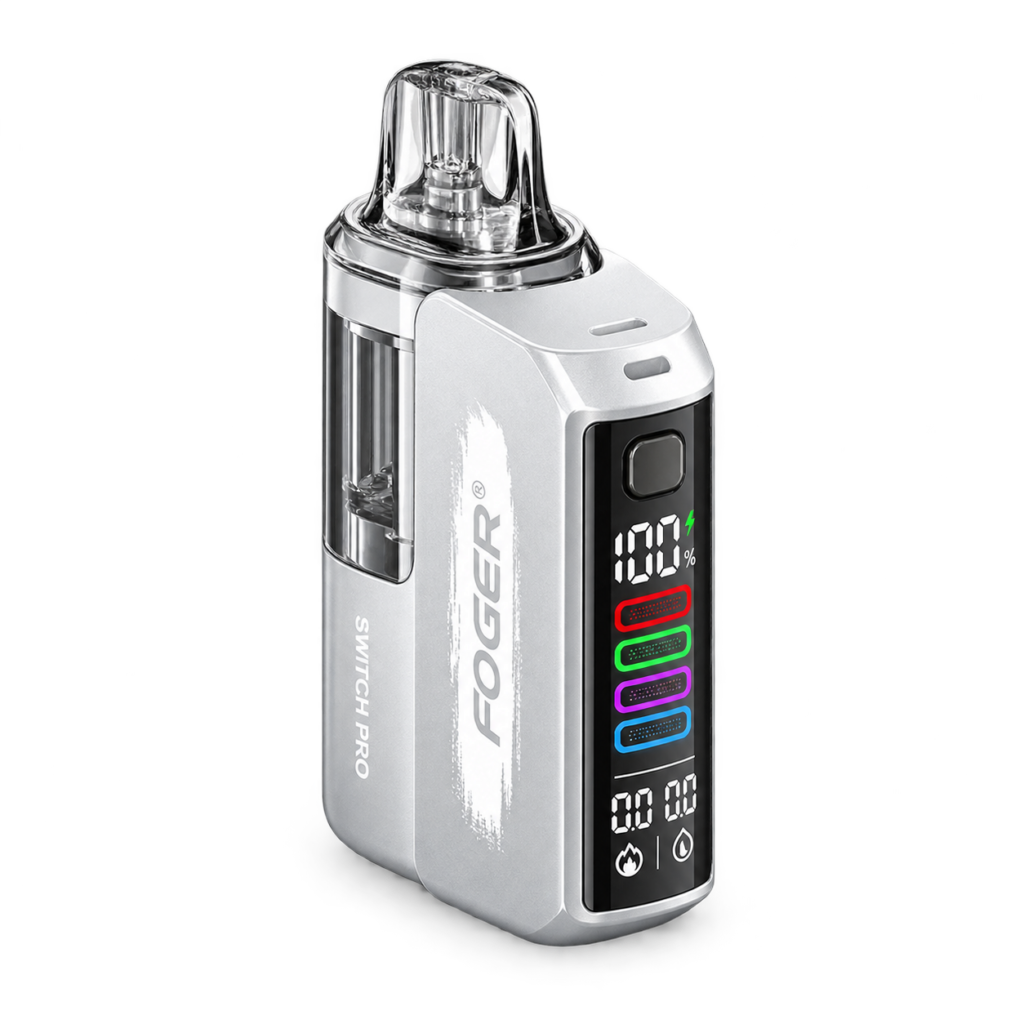
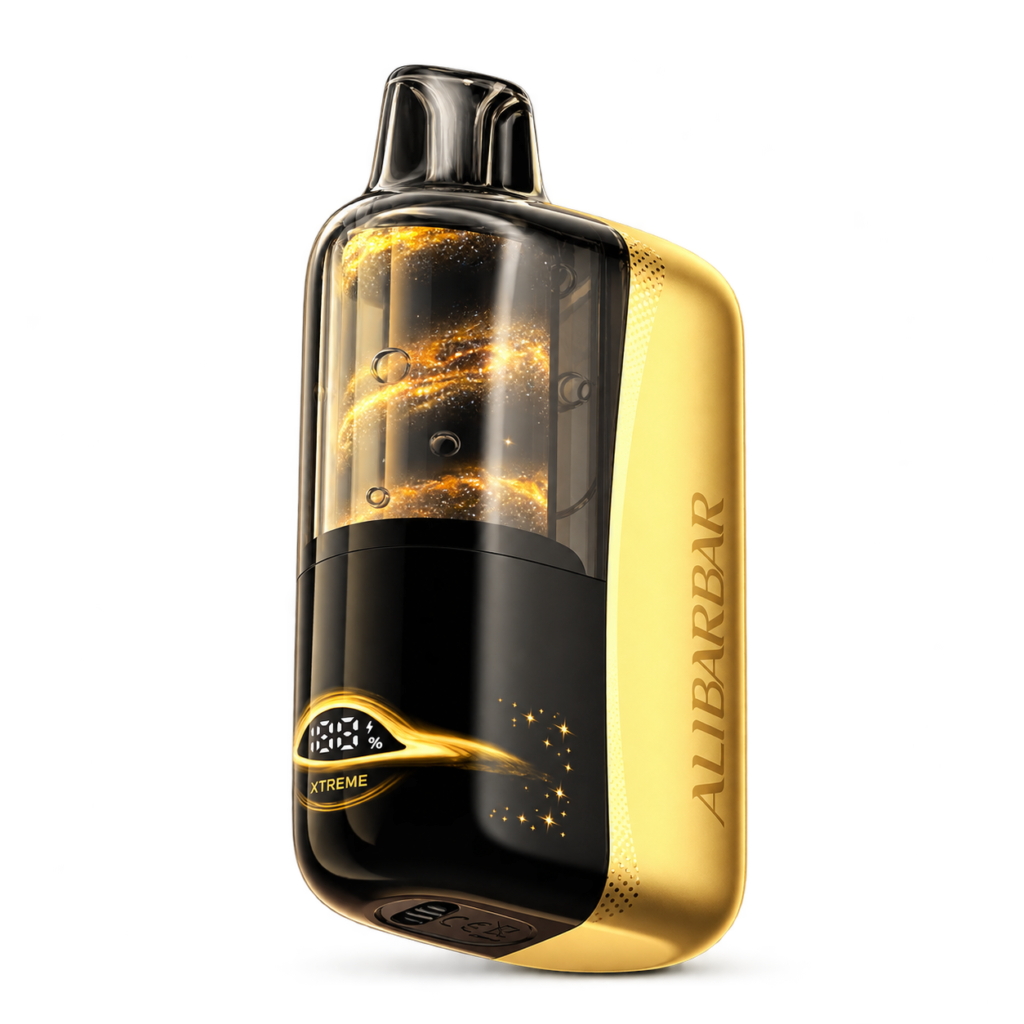
Authenticity is not a safety test
Origin, authorisation and health risk answer different questions.
Three questions, three kinds of evidence
An authenticity check concerns whether an item appears to originate from a named producer. Authorisation concerns whether it meets a jurisdiction’s requirements. Health risk concerns the effects and hazards of use. These questions are related, but evidence for one does not automatically answer the others.
Read a result within its limits
A code checker can display a positive result without explaining the quality of the underlying system. Check who controls the page, what the result actually says and whether the address is corroborated by a current source. Do not submit personal documents to an unverified page. A copied logo is not evidence of control.
Keep the risk context visible
Even a correctly identified item can contain nicotine and a lithium battery. Nicotine is addictive, and vaping is not harmless. Manufacturer branding does not eliminate storage, charging or disposal concerns. Independent public-health information remains relevant regardless of a verification response.
Source note
NHS vaping information; the three brand dossiers provide source-identity context.
Reviewed 17 October 2026. This article provides editorial context, not a product recommendation.